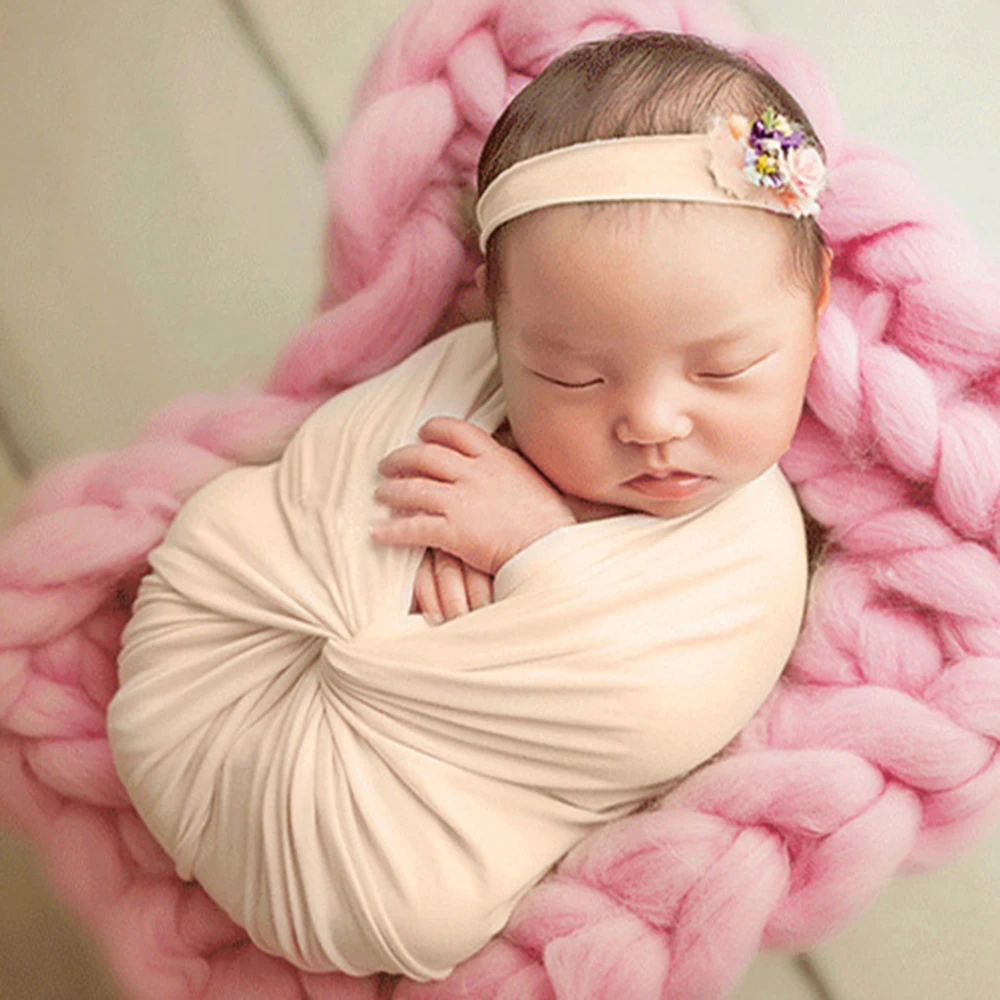
Dressing your baby may feel like a small part of your daily routine, but it quickly becomes one of the most meaningful ways you nurture, protect, and bond with your little one. Whether you’re preparing for your very first newborn outfits or building everyday wardrobes for growing infants, the choices you make can support comfort, safety, and development. Baby clothing is more than cute patterns and tiny snaps—it’s a way to help your child feel secure, warm, and ready to explore the world. Understanding what matters most when selecting outfits can make each day easier, calmer, and more enjoyable for both you and your baby.
From the first weeks of life onward, babies rely on soft and breathable fabrics to keep their skin protected. Their skin is delicate and sensitive, making them more prone to irritation from rough textures or harsh materials. Cotton and cotton-blend fabrics are often ideal because they allow the skin to breathe while providing a cozy barrier against drafts or fluctuating temperatures. As
your baby grows and becomes more active, flexible materials that move with them become essential for crawling, stretching, and rolling. Every outfit choice should support their natural movement and the constant changes in their daily experience.
Another important factor when dressing your baby is the weather. Babies cannot regulate their body temperature as easily as older children or adults, so their clothing should always provide the right level of warmth without causing overheating. A good rule of thumb many parents follow is dressing babies in one more layer than an adult would comfortably wear in the same environment. For example, if a simple shirt is comfortable for you indoors, your baby might need a long-sleeve onesie or a lightweight sleeper. Layering is useful because it gives you the freedom to adjust quickly as temperatures shift throughout the day. Cardigans, wearable blankets, and footed pajamas make these transitions easier while maintaining safety and comfort.
When the weather becomes colder, thicker fabrics, knitwear, and insulated pieces help retain warmth. However, bulky coats should not be used in car seats because they can interfere with harness safety. Instead, look for thin but warm layers and keep blankets available for use after your baby is safely buckled in. In warmer seasons, lightweight rompers, sleeveless bodysuits, and airy cotton outfits keep your baby cool and comfortable. Sun protection becomes especially important, so wide-brim hats and breathable fabrics with good coverage are helpful additions to your baby’s wardrobe.
Another aspect of dressing your baby that often goes overlooked is how clothing supports daily routines. Frequent diaper changes mean that snaps, zippers, and stretchy waistbands can make a significant difference in your day. Outfits with front snaps or zippers allow for quicker changes without having to fully undress your baby. Two-way zippers, which open from the top and the bottom, are especially helpful during nighttime changes. Look for tags that are printed directly onto the fabric or outfits with soft seams to avoid skin irritation. These thoughtful
features can simplify your routine and create a smoother experience for both you and your little one.
As your baby becomes more mobile, clothing that supports exploration is key. Stretchy leggings, soft joggers, and flexible tops help babies crawl and scoot more easily. Footed pajamas work well for younger babies, but once your child begins pulling themselves up or taking steps, non-slip socks or footless pajamas with grip pads on the feet can offer better stability. Allowing your baby to move freely supports motor development and encourages curiosity as they discover their surroundings.
Choosing the right size is another important part of dressing your baby. Babies grow quickly, and sizes can vary between brands. Clothing that is too tight may restrict movement or cause discomfort, while clothing that is too loose may pose safety concerns. It’s helpful to consider your baby’s weight and height rather than relying solely on the listed size. Many parents also like to keep a few pieces in the next size up so they’re prepared for sudden growth spurts. Seasonal planning is also important—purchasing items that will fit at the right time of year ensures that your baby has what they need when the weather changes.
Style also plays a role in dressing your baby. While practicality comes first, selecting patterns, colors, and designs you love adds joy to each day. Babies look adorable in everything, whether it’s soft pastels, bold prints, or neutral tones. Some parents enjoy coordinating outfits with siblings or choosing themes for special occasions. Accessories such as headbands, hats, and soft socks can add fun finishing touches. Just be sure that every accessory is comfortable, safe, and free of small detachable parts. Simplicity often works best for babies, allowing them to remain relaxed while still looking adorable.
Safety considerations should always guide your clothing choices. Avoid outfits with loose buttons, long ties, or decorations that can become choking hazards. Check seams, snaps, and embellishments to make sure they’re securely attached. For sleep, follow safe sleep guidelines and dress your baby in wearable blankets or appropriate sleepwear rather than loose blankets. Ensuring that clothing fits well and is free from potential hazards helps keep your baby safe during naps, nighttime, and playtime.
Dressing your baby also provides an opportunity for connection. The gentle routine of choosing outfits, buttoning snaps, and smoothing soft fabrics against your baby’s skin creates moments of bonding. Babies often feel soothed by the closeness and the calmness of these interactions. As
they grow older, you can involve them in choosing colors or outfits, helping them develop independence and personal preferences. These early experiences help shape the foundations for self-expression later in life.
Another helpful practice is organizing your baby’s wardrobe in a way that supports convenience. Keeping everyday essentials like bodysuits, sleepers, leggings, and socks in an easily accessible drawer makes dressing faster. Bins or small baskets can be used to sort items by size or season. Having a designated spot for extras like hats, mittens, and bibs helps you stay
organized, especially during busy mornings or nighttime routines. Choosing versatile pieces that mix and match also gives you more outfit options without needing an overly large wardrobe.
For parents who enjoy planning ahead, creating a capsule wardrobe for your baby is a practical approach. A capsule wardrobe includes a small collection of essential pieces that pair well together, reducing clutter and simplifying choices. Neutral colors, soft fabrics, and timeless designs work well in capsules, making it easy to adapt outfits for different occasions. This method not only keeps dressing simple but also helps manage clothing expenses as your baby grows.
Finally, remember that dressing your baby is a journey that changes as your little one grows and develops. What works for a newborn will look different from what your active nine-month-old needs. Stay flexible and trust your instincts as you learn what keeps your baby comfortable and happy. Every stage brings its own joys and challenges, and your baby’s wardrobe will evolve alongside them.
In the end, dressing your baby is one of those everyday responsibilities that builds comfort, confidence, and connection. With soft fabrics, thoughtful features, safe designs, and practical choices, you can create a wardrobe that supports your baby’s well-being while bringing joy to your daily routine. Dressing your baby is more than a task—it’s an expression of love woven into each little outfit they wear.